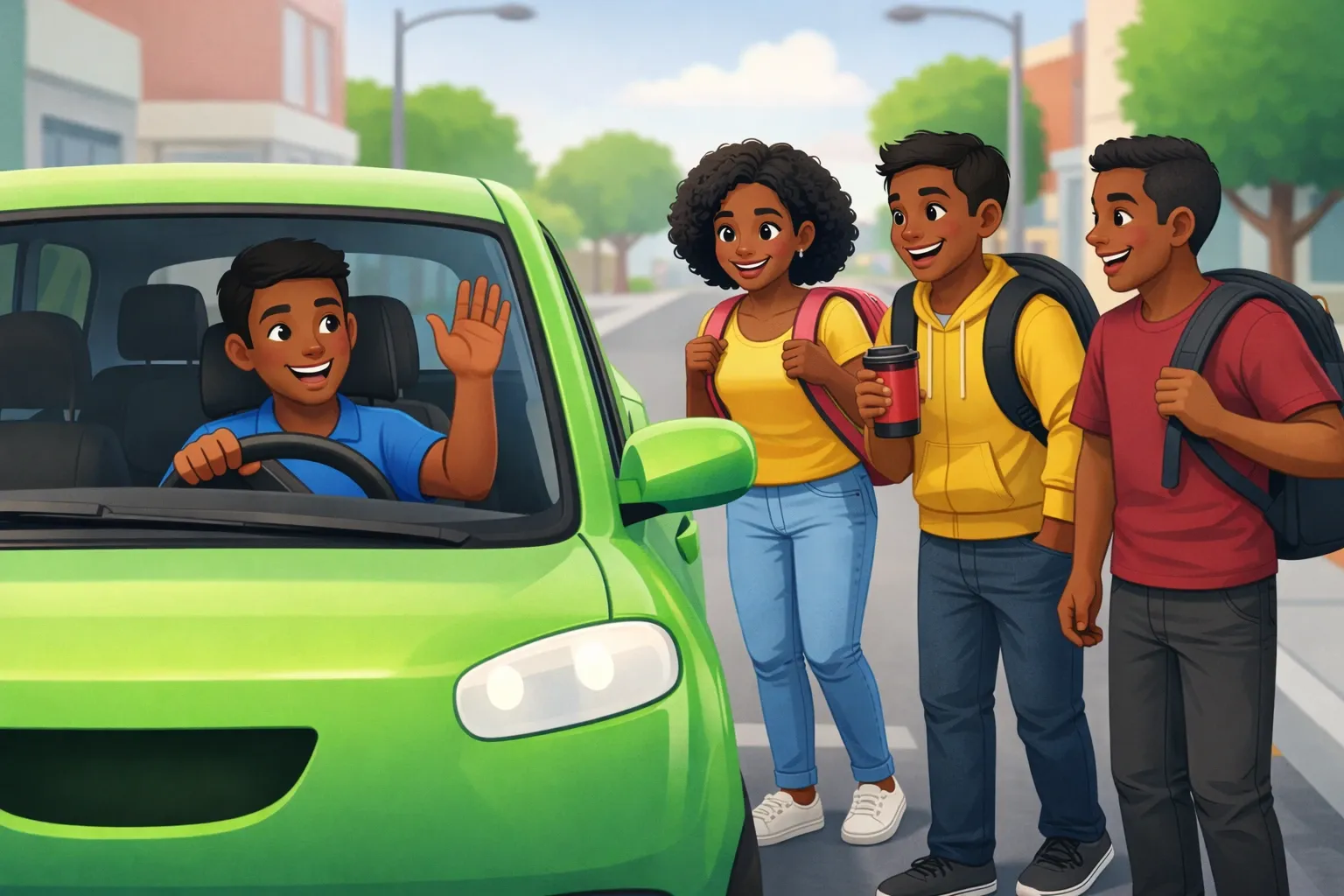
Why I’m Building Waytu: Coordinating Trips That Already Exist

Cities already have a massive transportation network moving through them every day — people driving along predictable routes to work, school, or home. Yet most of these cars travel with empty seats while commuters struggle to find quick, affordable rides for short trips.
This mismatch is surprisingly common. On one side, drivers have unused capacity. On the other, commuters face long waits, unpredictable fares, or limited ride availability. The problem is not that trips don't exist — it's that there is no simple way to coordinate them in real time.
The Core Insight Behind Waytu
Most urban trips already exist. Thousands of people travel along the same corridors at roughly the same time every day. If those trips could be coordinated, even partially, cities could unlock a huge amount of unused transportation capacity.
Waytu explores this idea by matching commuters and car owners who are already traveling along the same route. Instead of creating entirely new trips like traditional ride-hailing platforms, Waytu focuses on coordinating trips that are already happening.
What Waytu Is Building
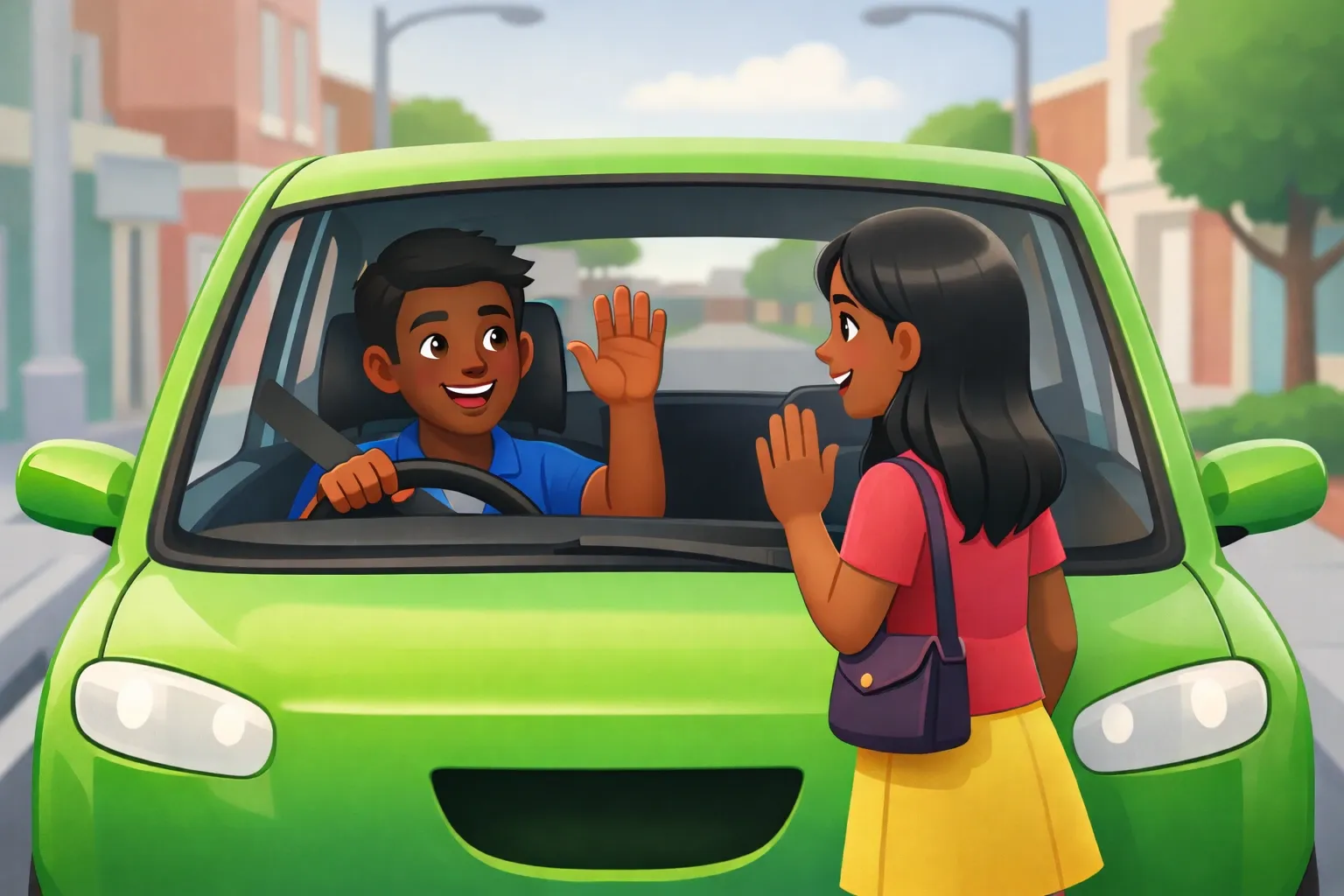
Waytu is a real-time ride-matching and carpooling platform. The goal is simple: help people discover others already traveling in the same direction and coordinate shared rides without forcing detours or complicated planning.
By focusing on same-route matching, Waytu aims to make everyday mobility more efficient. Empty seats get filled, commuters gain faster and more affordable options, and cities benefit from fewer single-passenger trips on the road.
The Challenges of Building a Coordination Platform
Building a system like this introduces interesting challenges. Matching people in real time requires careful coordination between location data, timing, and user preferences. Trust and safety also become essential when connecting strangers who are sharing rides.
From a technical perspective, Waytu involves building real-time systems capable of handling dynamic matching, session coordination, and location-aware communication between participants.
Why I'm Building Waytu
Transportation inefficiency is something many people experience daily. Seeing cars with empty seats pass by while commuters wait for rides highlights a coordination problem that technology can help solve.
Waytu is my attempt to explore how real-time systems can unlock that hidden transportation network already moving through our cities. The journey is just beginning, but the opportunity to make urban mobility more efficient is what makes building Waytu exciting.